
Endoscopic Brow Lift in Reno
Conveniently located to serve Reno, Carson City & Gardnerville
Your forehead and eyes play a significant role in expressing your emotions. When your brow sags or wrinkles, it can give off the impression that you’re constantly frowning, tired, or unhappy. However, an endoscopic brow lift resolves these concerns effectively. An eyebrow lift can remove years from your face and give your eyes a wider, more alert appearance. For patients seeking even more rejuvenation around the eyes, upper blepharoplasty surgery (eyelid lift) can be performed at the same time to address drooping eyelids and create a smoother, more youthful upper face.
Brow Lift Overview
An endoscopic brow lift is a minimally invasive cosmetic procedure to lift and refresh the forehead and brow, resulting in a more youthful and refreshed appearance. The surgery involves making tiny incisions hidden within the hairline, where the surgeon uses a small camera (endoscope) and special tools to lift and reposition the underlying tissues and muscles. This helps smooth out wrinkles and correct drooping eyebrows.
Because the incisions are small and well-hidden within the hairline, eyebrow lift surgery causes minimal visible scarring and a quicker recovery compared to traditional brow lifts. While you might experience some swelling and bruising at first, these usually fade within a few days. The results are long-lasting and natural-looking, making this procedure perfect for reducing signs of aging in the upper face with the least downtime.
Dr. Kyle Yamamoto performs endoscopic brow lift in Reno at Sierra Nevada Cosmetic + Laser Surgery. He has honed his skills through thorough training in aesthetic facial rejuvenation, ensuring his patients receive outstanding and natural-looking results.
Benefits of Endoscopic Brow Lift
An endoscopic brow lift offers several benefits. They include:
- There is barely any visible scarring because the small incisions are hidden in the hairline.
- It’s a less invasive method that helps you recover faster with less discomfort, swelling, and bruising than traditional brow lifts.
- Using an endoscope allows for precise tweaks to the tissues, giving you a natural, youthful look by smoothing wrinkles and lifting sagging brows.
- The results last for years, keeping you looking refreshed for a long time.
- The procedure is great for anyone wanting effective facial rejuvenation with minimal downtime and a natural finish.
Video Summary
Dr. Kyle Yamamoto explains how an endoscopic brow lift can address age-related brow descent that causes a heavy or tired appearance. Using small, hidden incisions within the hairline, the procedure lifts and repositions the brow with minimal visible scarring and a relatively short recovery.
Key Highlights
- Corrects a lowered or heavy brow caused by aging.
- Can help patients who feel they look tired or have difficulty opening their eyes fully.
- Uses small incisions concealed within the hairline.
- Repositions the brow to a more youthful, natural position.
- Typical recovery is approximately 5–7 days.
Why Choose Dr. Yamamoto for A Brow Lift
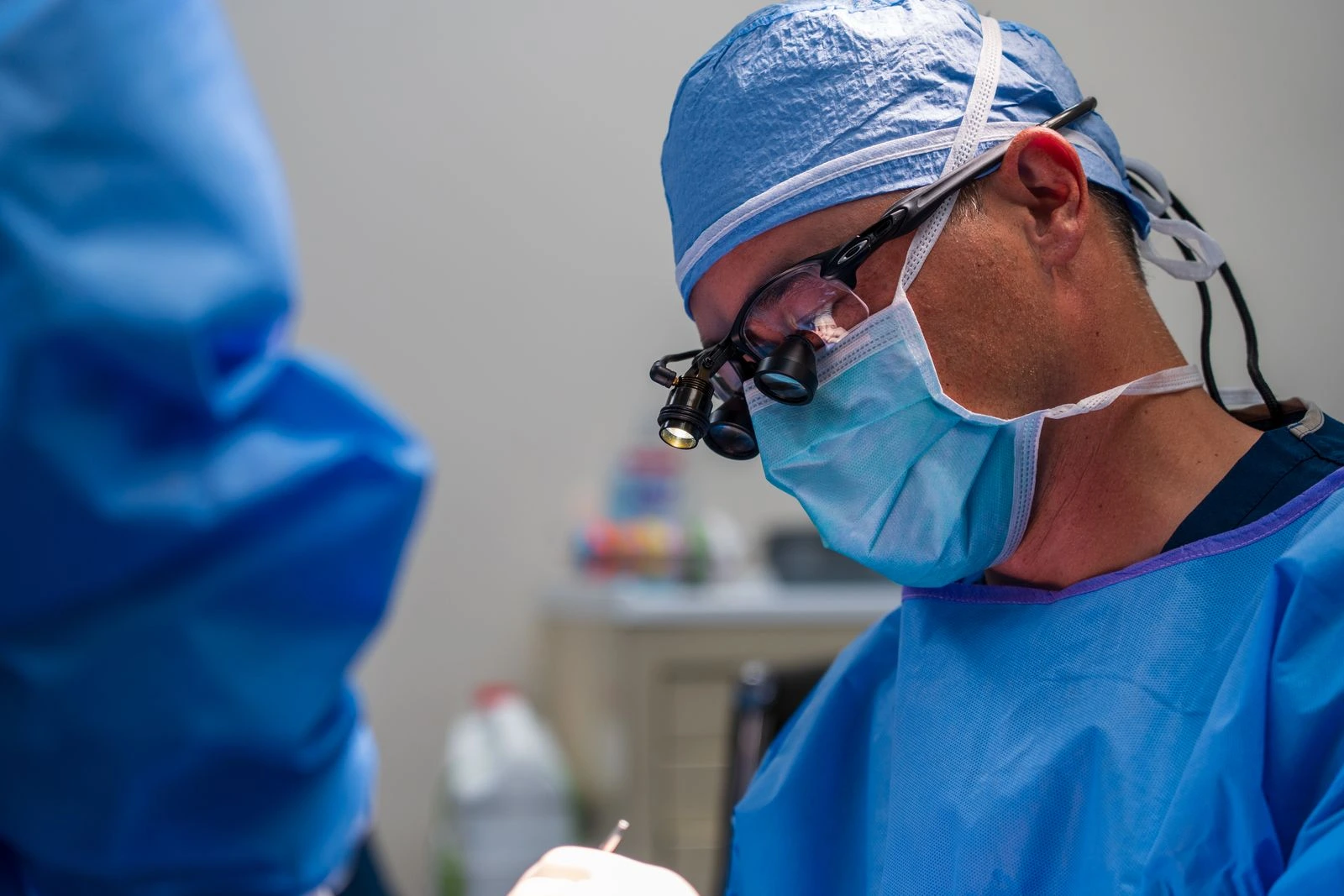
Dr. Yamamoto is double-board certified in facial plastic surgery, bringing years of expertise to every brow lift he performs. As the only cosmetic surgeon in Reno specializing in the face and neck, he stands out for his qualifications. His innovative approach to patient care and use of the latest technology ensure you get the best possible results. Few doctors are as equipped to help you achieve amazing brow lift outcomes.
Dr. Yamamoto believes in giving you a youthful appearance with forehead lift while keeping the results looking natural. You won’t have to worry about an overly tight or unnatural look. Your family and friends will see that you look refreshed and great without realizing you’ve had surgery.
Sierra Nevada Cosmetic + Laser Surgery in Reno, where Dr. Yamamoto practices, is a welcoming clinic dedicated to aesthetic facial treatments that boost patients’ confidence with a more enhanced look. Our goal is for everyone who leaves our office to look naturally refreshed and feel self-assured.
I had an upper/lower bleph and a temporal brow lift in 9/2025.
 –
Genetics and menopause were a huge face bummer! It took me two years to get the courage to do it and I kicked myself for waiting, but the time was right. I couldn’t have picked a better doctor than Dr. “Y”. This literally took 10-15 years off my face (I just turned 60). No pain, great bedside manner, and fabulous staff. They make sure you are prepared with everything before, during and after your procedure. Dr. Yamamoto is a master of his craft and a true artist. Thank you! Robyn McKeegan
Who is a Good Candidate for a Brow Lift
A good candidate for an endoscopic brow lift is someone who is bothered by sagging or drooping eyebrows, forehead wrinkles, or frown lines and desires a more youthful and refreshed appearance on the upper face. They should be in good overall health and have realistic expectations about the results of the procedure.
Additionally, candidates should have sufficient skin elasticity and moderate to mild brow ptosis (drooping) without significant excess skin. It’s best to consult with a board-certified plastic surgeon to determine if an endoscopic brow lift is the right option based on individual concerns and goals. Dr. Yamamoto will examine the position of your brows and the severity of your concerns to identify the best way to help you.
What to Expect Before, During and After a Brow Lift
Before Your Brow Lift
Before your endoscopic brow lift at Sierra Nevada Cosmetic and Laser Surgery, you’ll meet with Dr. Kyle Yamamoto to discuss your concerns and goals, medical history, and any potential risks. He may advise you to stop taking certain medications or supplements that could increase your risk of bleeding.
During Your Brow Lift
During the procedure, you’ll be given anesthesia to keep you comfortable. The surgeon will make small incisions within your hairline and use an endoscope to see and adjust the tissues underneath. They’ll reposition the muscles and tissues and might remove any excess skin. You can undergo a brow lift alone or alongside other facial procedures, such as eyelid surgery or a facelift.
An endoscopic brow lift procedure typically lasts around 1 to 2 hours, depending on the complexity of the surgery. It is typically an outpatient procedure, meaning you can go home the same day after the surgery.
After Your Brow Lift
After the surgery, you may experience some swelling, bruising, and discomfort, which can be managed with prescribed medications. You will need to rest and avoid strenuous activities for some time. Follow-up appointments will be scheduled to monitor your healing progress and remove any sutures or clips if needed. It’s important to follow your surgeon’s post-operative instructions carefully to ensure optimal results and a smooth recovery.
After an endoscopic brow lift, you can expect a more youthful and refreshed look in your forehead and brow area. The results will look natural, with minimal and well-concealed scarring thanks to the small incisions hidden in the hairline. Overall, you’ll notice a significant improvement in the upper face, making you look more vibrant and rejuvenated.


* Individual results may vary.
Brow Lift Photo Gallery
View before-and-after pictures of real patients of Dr. Kyle Yamamoto
How Much Does a Brow Lift Cost?
The cost of a brow lift can vary depending on the specifics of your procedure. When you meet with Dr. Yamamoto for a private consultation, he’ll tailor a quote to fit your needs and goals.
Schedule an Endoscopic Brow Lift Consultation
Our goal at Sierra Nevada Cosmetic and Laser Surgery is to help you feel and look your best. An endoscopic brow lift from Dr. Kyle Yamamoto can be just what you need if you are unhappy with the way you look and want a change.
As a double-board certified facial plastic surgeon, Dr Yamamoto can help you through every stage of the brow lift, removing years from your face and giving you a refreshed look. Contact us to schedule your consultation in Reno today.
Reno Brow Lift FAQs
What is an endoscopic brow lift?
An endoscopic brow lift is a minimally invasive procedure that raises a lowered brow and refreshes the forehead area using small incisions hidden within the hairline. Through those openings, a small camera helps guide precise adjustment of the underlying tissues that contribute to brow descent, forehead heaviness, and certain expression lines. The goal is not to change your identity or create a pulled look. It is to reposition the brow in a way that helps the upper face look more open, balanced, and rested.
This approach is often considered when the outer brow has dropped, the eyes look heavy, or forehead lines are related to sagging support structures. It may also be discussed with upper eyelid rejuvenation when drooping lids and brow position both affect the upper face. Not everyone needs this technique, and some concerns are better addressed another way. A consultation helps us decide whether this option fits your anatomy and goals.
How does an endoscopic brow lift procedure work?
The technique uses several small incisions placed within the hairline, which helps keep visible marks minimal for many patients. An endoscope, a slender camera, gives the surgeon a magnified view beneath the skin so the brow-supporting tissues can be released and repositioned with controlled movements. By lifting the deeper structures rather than simply pulling skin, the aim is a refreshed result that still allows natural expression. Anesthesia is used for comfort, and the procedure is commonly performed on an outpatient basis. The amount of lifting, the incision placement, and whether another upper-face procedure is combined depend on the individual. Some patients benefit from brow elevation alone, while others have eyelid heaviness that also needs evaluation.
At Sierra Nevada Cosmetic and Laser Surgery, we review facial balance, brow position, hairline considerations, and goals before recommending a specific approach. The best fit depends on what is causing the tired or heavy appearance.
How does an endoscopic brow lift compare to a traditional forehead or brow lift
A traditional forehead lift usually involves a longer incision and broader tissue access, while the endoscopic method uses smaller hairline incisions and camera guidance. Because the openings are more limited, the endoscopic approach often has less visible scarring and a shorter early recovery for appropriate candidates. It can be especially useful for mild to moderate brow descent, forehead heaviness, and a desire for a natural upper-face refresh. Traditional methods may still be considered when there is significant excess skin, certain hairline concerns, or anatomy that requires wider access.
The endoscopic option is not automatically better for every person. It is one technique within a larger set of forehead and eyebrow rejuvenation methods. Choosing between them depends on brow position, skin quality, hairline pattern, and the amount of correction needed. During consultation, we explain why one approach may be more suitable than another, so the decision is based on anatomy rather than trend.
Who is a good candidate for an endoscopic brow lift?
You are a good candidate if you are often bothered by a low or heavy brow, forehead creases, frown lines, or an upper face that makes you look tired, stern, or less alert than you feel. Many have mild to moderate brow descent and enough tissue elasticity for repositioning to create a meaningful improvement. General health, healing factors, and realistic expectations also matter. A brow lift can refresh the upper face, but it cannot stop aging or make every eyelid concern disappear.
For example, a person with significant upper eyelid skin may need a separate discussion about eyelid rejuvenation because lifting the brow alone may not fully address that issue. We also consider hairline position, facial proportions, and whether the brow shape fits the rest of the face. The right candidate is someone whose concern is linked to brow position and who understands both the benefits and tradeoffs. A qualified facial plastic surgeon can help determine whether this procedure is appropriate.
What is the recovery timeline and what should I expect after an endoscopic brow lift?
Early recovery commonly involves swelling, bruising, tightness, and some discomfort around the forehead, scalp, or upper eyelids. Many patients plan for several days of downtime, and the procedure overview for our practice notes that typical recovery is approximately 5 to 7 days. That does not mean every visible sign is gone within that window. Bruising and swelling can vary, and subtle changes may continue settling beyond the first week. Activity limits are usually part of recovery, especially avoiding strenuous exertion until cleared by the surgical team.
It is also normal for the scalp or forehead to feel temporarily numb or sensitive while tissues heal. Because recovery depends on the extent of correction, whether another procedure was performed, and individual healing patterns, exact timing can differ. We provide instructions before and after the procedure so patients know what to expect, what symptoms are common, and when to contact us with a concern.
What are the common risks or complications associated with an endoscopic brow lift?
Like any facial procedure, an endoscopic brow lift has potential risks. Common short-term effects include swelling, bruising, tenderness, tightness, and temporary changes in scalp or forehead sensation. Less common issues can include bleeding, infection, visible or widened scarring, asymmetry, hair changes near incision sites, prolonged numbness, or dissatisfaction with the degree of lift. Because facial expression is complex, the goal is careful repositioning rather than aggressive tightening. Overcorrection can look unnatural, while undercorrection may not create the desired amount of improvement.
Individual anatomy, healing response, prior procedures, and health history can all influence risk. This is why candid discussion before any procedure matters. We review medical history, medications, supplements, aesthetic goals, and relevant concerns so patients understand both likely benefits and possible tradeoffs. If you are comparing options, the safest next step is to speak with a qualified professional who can evaluate your face directly rather than relying on general descriptions alone.
How long do results from an endoscopic brow lift typically last?
Results from an endoscopic brow lift are generally long-lasting, often helping the upper face look more open and refreshed for years. The procedure repositions descended tissue, but it does not pause the natural aging process. Skin quality, genetics, sun exposure, facial movement, weight changes, and lifestyle factors can all affect how the brow and forehead age afterward. Some people maintain a lifted appearance for a long time, while others notice gradual softening of the result as tissues continue to change.
It is also important to separate brow position from skin texture. A lift can improve heaviness and certain lines related to descent, but fine lines, skin tone, and surface texture may require different non-surgical options if those are priorities. We frame longevity in terms of durable improvement rather than permanence. During consultation, we can explain what changes are realistic for your brow position and what factors may influence how the outcome matures.
How do I choose a surgeon in Reno for an endoscopic brow lift?
Choosing a surgeon for an endoscopic brow lift in Reno should start with training and focus. Brow position affects expression, eye appearance, and overall facial balance, so experience with facial anatomy is especially important. Our surgeon, Dr. Kyle Yamamoto, is a double board-certified facial plastic surgeon with training focused on the face and neck, and he is recognized as a full-time, fellowship-trained facial plastic and reconstructive surgeon serving Northern Nevada.
Credentials matter, but are only part of the decision. You should also look for a surgeon who explains the difference between brow heaviness, eyelid droop, and forehead aging, since each concern may call for a different solution. Review before-and-after photos, listen for realistic expectations, and pay attention to whether your questions are answered clearly. A good consultation should feel educational, not rushed or pressured. The right choice is a surgeon whose training, aesthetic judgment, and communication style help you feel informed.
How do I schedule a consultation with Sierra Nevada Cosmetic and Laser Surgery for a brow lift?
Scheduling a consultation is the step to take when you want an individualized discussion about brow position, forehead heaviness, or a tired upper-face appearance. During that visit, we can review your concerns, medical history, facial structure, and goals, then discuss whether an endoscopic approach or another option may make sense. Photos, direct examination, and a conversation about expectations are often more useful than trying to decide from general descriptions alone.
It helps to come prepared with what bothers you most, when you first noticed the change, and whether your concern is mainly brow heaviness, eyelid hooding, forehead lines, or a combination. You can also ask about recovery, anesthesia, incision placement, and whether combining procedures is appropriate. To get started, contact Sierra Nevada Cosmetic and Laser Surgery and request an appointment. Our team can help you find a consultation time and explain what information to bring.
What should I expect on the day of surgery (arrival, anesthesia, length of procedure)?
On the day of surgery, you can expect a structured experience focused on preparation, comfort, and confirming the plan before the procedure begins. After arrival, the team typically reviews key details, answers last-minute questions, and prepares you for anesthesia. Anesthesia is used so you remain comfortable while the small hairline incisions are made and the brow-supporting tissues are repositioned with endoscopic guidance. The procedure usually takes about 1 to 2 hours, depending on complexity and whether another facial procedure is performed at the same time. It is commonly an outpatient procedure, meaning patients generally return home the same day with an appropriate adult driver.
You should expect some swelling, bruising, and tightness afterward, and you will receive instructions for the early healing period. Exact logistics can vary based on your health, the agreed approach, and facility requirements. Before your date, we explain what to avoid, when to arrive, and what to expect immediately afterward.